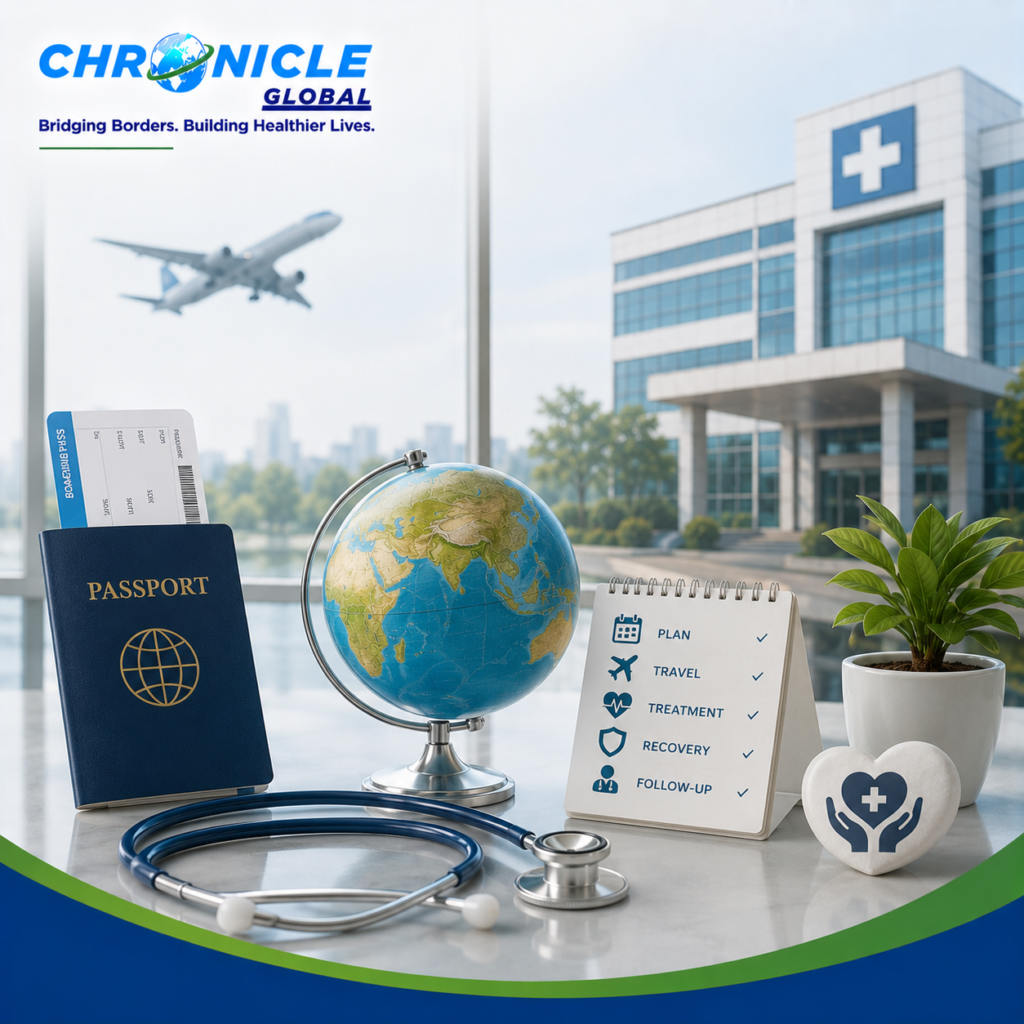
Stepping onto an airplane to seek major medical care in a completely unfamiliar country can feel incredibly overwhelming. If you are preparing for your very first journey as an international medical patient, it is completely normal to experience a mix of hope and profound anxiety. You aren’t just dealing with a serious medical diagnosis; you are also figuring out foreign immigration rules, coordinating travel logistics, and placing your trust in an unfamiliar clinical ecosystem.
However, cross-border healthcare does not have to feel like a leap in the dark. When structured through a professional, step-by-step pathway, medical travel gives you direct access to world-class clinical expertise, advanced surgical technologies, and major cost savings. This foundational guide details everything a first-time medical patient needs to know to plan a smooth, stress-free journey.
The Core Concept: Why Patients Cross Borders
Medical value travel (MVT) is a highly organized global industry built to address specific limitations within your local health system. First-time patients typically decide to travel for three main reasons:
-
Technology Deficits: Local clinics may lack modern equipment, such as robotic-assisted surgical platforms or specialized linear accelerators for precision cancer care.
-
Long Waiting Lists: Public or affordable local options can involve long delays that compromise patient health, whereas international centers offer immediate access.
-
High Local Costs: Out-of-pocket expenses for major tertiary surgeries can be financially draining at home, but are highly cost-effective abroad.
Navigating the Logistical Milestones
A successful medical trip requires following a careful chronological timeline rather than treating the journey like a standard holiday.
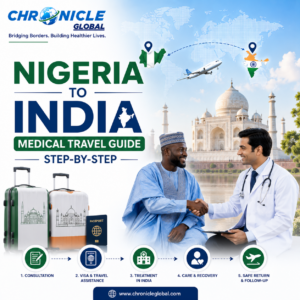
[1. Secure Digital Files] ➔ [2. Obtain Hospital Invite] ➔ [3. Apply for M-Visa] ➔ [4. On-Ground Intake]1. Organizing Your Digital Health Portfolio
Before booking flights, you must compile your complete medical history into clear, digital formats. Gather all recent blood panels, tissue biopsy reports, prescription lists, and high-resolution imaging scans (MRIs, CTs, or PET-CTs). These files are used by international specialists to confirm your eligibility for treatment.
2. The Indian Medical Visa (M-Visa) Mandate
You must enter your destination country using the correct legal visa classification. For example, traveling to India for planned surgery on a tourist visa is strictly illegal. You must obtain an officialMedical Visa (M-Visa), which requires a formal, stamped Visa Invitation Letter from an accredited hospital. Up to two family members can accompany you using matchingMedical Attendant Visas (MX-Visas).
3. Selecting Vetted, Accredited Stays
Do not stay in standard tourist hotels during your post-discharge recovery phase. Choose specialized serviced apartments or partner accommodations located within a 5-to-10-minute radius of your hospital campus. This minimizes physical strain during your regular outpatient follow-up visits.
How Chronicle Global Simplifies Your First Journey
AtChronicle Global, we design our operations specifically to protect first-time patients from the complexities of international medical travel. Operating from our corporate headquarters in Greater Noida, India, our team manages your entire care continuum through our structured7-Step Journey Model.
┌────────────────────────────────────────────────────────┐ │ The Chronicle Global First-Time Patient Shield │ └───────────────────────────┬────────────────────────────┘ │ ┌──────────────────┼──────────────────┐ ▼ ▼ ▼ ┌──────────────────┐┌──────────────────┐┌──────────────────┐ │ Verified JCI ││ Bedside Native ││ Zero-Hidden-Cost │ │ Hospital Network ││ Interpreter Care ││ Pricing Guarantee│ └──────────────────┘└──────────────────┘└──────────────────┘-
The Quality Shield: We remove the guesswork from choosing a hospital. We partner exclusively with elite, certified hospital conglomerates—such asMax, Medanta, Fortis, and Apollo—ensuring you receive care from recognized specialists operating under strict safety standards.
-
The Linguistic Shield: Clear communication with your clinical team is essential for peace of mind. We assign native, on-ground interpreters fluent inSwahili, French, and Arabic directly to your bedside to support you through medical rounds and administrative updates.
-
The Financial Shield: Financial unexpectedness can complicate a patient’s recovery. Through ourZero-Hidden-Cost Promise, the itemized estimate formulated before you leave home is exactly what you are invoiced upon discharge, completely protecting your family from unexpected upcharges or surprise fees.
Take the stress out of your medical travel planning. Contact the international intake desk at Chronicle Global today to submit your current records for acompletely free secondary clinical evaluation from India’s top specialists.


Add a comment