
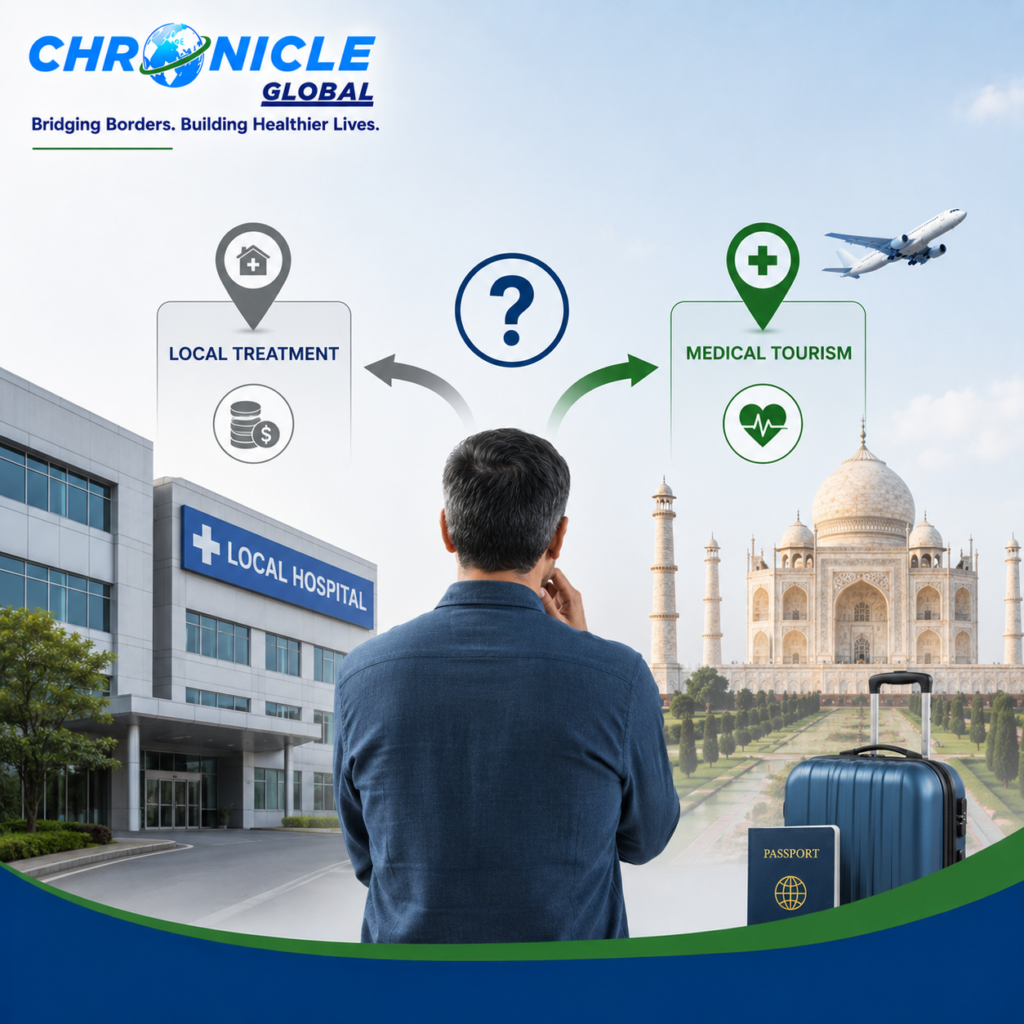
When a patient is diagnosed with a medical condition that requires a major intervention—such as an advanced cardiac bypass, robotic joint reconstruction, or a complex oncological protocol—the immediate reflex is to check local options. However, as localized health systems face structural capacity deficits, high out-of-pocket costs, or extensive waiting lists, many families are left looking for alternatives.
The decision between staying home for care or traveling abroad via medical tourism is a significant choice. To determine which path is best for your family, you must evaluate the real differences in clinical technology, wait times, and total costs.
The Evaluation Matrix: Comparing Your Options
Choosing the right care setting requires an objective look at several operational parameters:
┌────────────────────────────────────────┐ │ The Care Pathway Decision Tree │ └───────────────────┬────────────────────┘ │ ┌────────────────────────────┴────────────────────────────┐ ▼ ▼ ┌──────────────────────────────────┐ ┌──────────────────────────────────┐ │ Local Care Evaluation │ │ Medical Tourism Evaluation │ ├──────────────────────────────────┤ ├──────────────────────────────────┤ │ • Proximity to family support │ │ • Immediate access to sub-specs │ │ • Long waitlists for surgeries │ │ • Zero waiting lists for care │ │ • Potential technology deficits │ │ • Advanced robotic infrastructure│ └──────────────────────────────────┘ └──────────────────────────────────┘1. Waiting Timelines vs. Clinical Urgency
In many public and semi-private local healthcare setups, elective or semi-urgent procedures are subject to long queues. For conditions like severe joint degeneration, a six-month delay means prolonged physical pain. For aggressive oncological cases, waiting can cause a treatable condition to progress to an advanced stage. Medical tourism hubs like India operate on zero-wait-time frameworks, allowing international patients to move from diagnostic intake to the operating room within days.
2. Technological Infrastructure and Sub-Specialization
Complex tertiary surgeries require specialized infrastructure, such as clean laminar airflow operating suites, advanced linear accelerators, and robotic surgical systems. If a local clinic lacks these tools, surgeons must use traditional open methods instead of minimally invasive techniques, which can lead to larger incisions, higher infection risks, and longer hospital stays.
3. Financial Realities and Value Economics
Private healthcare in Western countries or the Middle East can carry high out-of-pocket expenses. Traveling to an international medical destination like India allows families to access top-tier healthcare at a 60% to 85% cost reduction compared to Western systems. This affordability is driven by lower localized operational overhead, not by compromising the quality of clinical delivery.
Balancing the Pros and Cons
While traveling abroad offers clear technological and financial advantages, it does introduce logistical challenges that local care avoids:
| Feature | Local Treatment | Medical Tourism (Vetted Pipeline) |
| Family Support | Immediate family and friends are close by to assist with daily needs. | Requires traveling with a dedicated medical attendant. |
| Travel Strain | Zero long-distance travel required; recovery happens at home. | Requires a flight, which demands careful post-op travel clearance. |
| Coordination | Managed within familiar local administrative systems. | Demands professional logistics management to coordinate visas and arrivals. |
How Chronicle Global Bridges the Management Gap
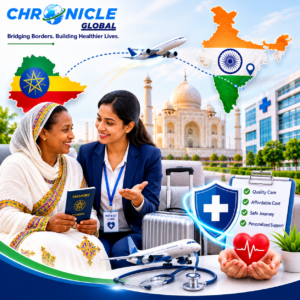
The primary reason patients avoid medical travel is the stress of managing international visas, language barriers, and foreign hospital check-ins. Chronicle Global eliminates these friction points by managing your trip through our structured 7-Step Journey Model.
[1. Free Records Review] ➔ [2. Fixed Price Quote] ➔ [3. JCI Hospital Match] │ [6. Close-By Lodging Care] ◄── [5. Priority Intake] ◄── [4. M-Visa Setup] │ [7. Long-Term Telemedicine Loops]Through our High-Touch Care Shield, we ensure you receive care from elite, internationally certified networks like Max, Medanta, Fortis, and Apollo. We remove communication barriers by assigning native interpreters fluent in Swahili, French, and Arabic straight to your bedside to translate medical rounds and comfort your family.
Most importantly, our Zero-Hidden-Cost Promise ensures complete financial transparency. Your fixed pre-travel quote covers your essential treatments and core travel logistics, with absolutely no surprise upcharges or hidden fees upon discharge. Once you return home, we establish direct telemedicine channels so your international specialists can collaborate with your local family doctor, protecting your long-term health.
Don’t let local delays compromise your recovery. Contact Chronicle Global today to submit your current records for a completely free secondary clinical evaluation from India’s leading specialists.

Add a comment