
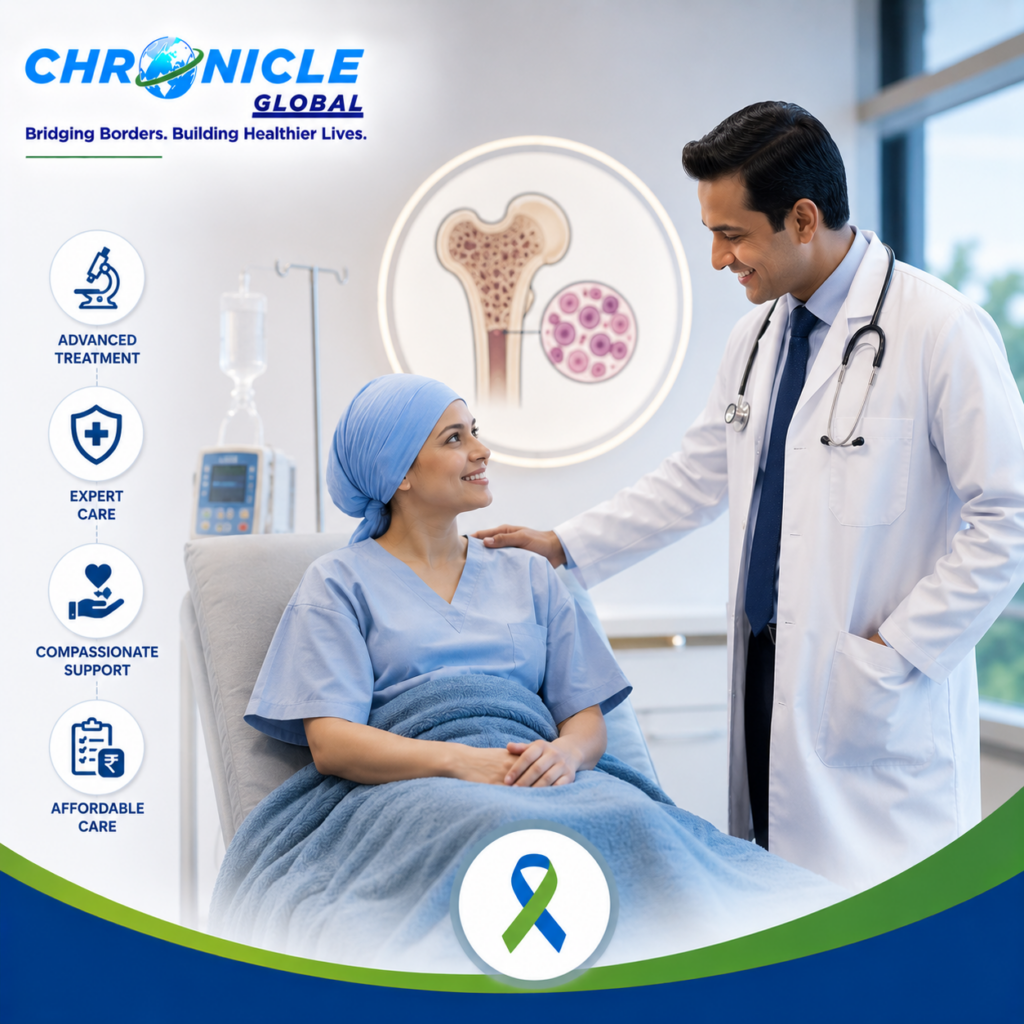
A bone marrow transplant (BMT), also known as a hematopoietic stem cell transplant, is an advanced, high-tech clinical procedure required to treat life-threatening hematological conditions. For patients fighting leukemia, lymphoma, multiple myeloma, aplastic anemia, or thalassemia, a successful transplant replaces damaged or malignant marrow with healthy stem cells, offering a definitive path toward long-term recovery.
Because a BMT requires sophisticated laboratory setups, specialized sterile isolation units, and highly trained hematologists, many regional healthcare systems face structural infrastructure shortages. India has emerged as a premier global hub for advanced bone marrow transplantation, delivering excellent clinical outcomes at a fraction of the cost found in Western nations.
Let’s examine the primary clinical pathways, specialized recovery requirements, and cost frameworks governing a BMT in India.
1. Classifying the Transplant Pathways
The operational complexity and financial parameters of your care journey depend directly on the specific type of transplant required:
┌────────────────────────────────────────┐ │ Primary Bone Marrow Transplant Types │ └───────────────────┬────────────────────┘ │ ┌──────────────────────────────┴──────────────────────────────┐ ▼ ▼ ┌──────────────────────────────────┐ ┌──────────────────────────────────┐ │ Autologous BMT │ │ Allogeneic BMT │ ├──────────────────────────────────┤ ├──────────────────────────────────┤ │ • Uses patient's own stem cells │ │ • Uses cells from a healthy donor│ │ • Zero risk of graft rejection │ │ • Requires matching HLA markers │ │ • Shorter sterile isolation stay │ │ • Risk of GvHD requires close care│ └──────────────────────────────────┘ └──────────────────────────────────┘Autologous Bone Marrow Transplants
In this framework, the patient’s own healthy stem cells are harvested and frozen before the initiation of intensive high-dose chemotherapy. Once the chemotherapy completes its cycle, the harvested cells are infused back into the bloodstream to rebuild the marrow. This pathway carries zero risk of graft rejection and typically requires shorter hospital isolation stays.
Allogeneic Bone Marrow Transplants
This approach relies on an external, healthy donor whose Human Leukocyte Antigen (HLA) markers match the patient closely. This can be a fully matched sibling, a half-matched family member (Haploidentical), or an unrelated donor located via global registries (MUD). This pathway is clinically complex and requires close tracking to prevent Graft-versus-Host Disease (GvHD), where the new donor cells attack the recipient’s tissues.
2. Understanding the Real Cost Drivers of a BMT
A bone marrow transplant is an intensive, multi-phase clinical lifecycle rather than a brief surgical procedure. When budgeting for care, international families must plan for several distinct operational cost factors:
| BMT Procedural Phase | Cost Range in India (USD) | Core Clinical Drivers |
| Autologous BMT Package | $12,000 – $18,000 | Harvest, freezing, baseline isolation, and cell re-infusion. |
| Allogeneic BMT (Matched Sibling) | $20,000 – $30,000 | Sibling HLA matching, intensive conditioning chemotherapy, and extended isolation. |
| Haploidentical / MUD Transplants | $35,000 – $45,000+ | Registry donor matching fees, intensive monitoring, and advanced cellular processing. |
Critical Out-of-Package Variables:
-
Pre-Transplant Workup: Extensive HLA typing, molecular marker testing, and bone marrow biopsies can run between $1,000 and $3,000 before admission.
-
Conditioning Chemotherapy and Blood Products: High-dose chemotherapy regimens and frequent platelet or red cell transfusions during the apheresis phase contribute meaningfully to the final bill.
-
Extended Sterile Isolation Days: If a patient experiences a delayed recovery or minor post-op infections, staying in a specialized positive-pressure isolation suite can add daily room overhead.
-
Post-Transplant Medications: Essential anti-fungal prophylaxis and immunosuppressant drugs are non-negotiable after an allogeneic transplant to prevent graft rejection, continuing for 6 to 12 months post-discharge.
3. The Strict Post-Transplant Isolation Protocol
Because conditioning chemotherapy completely clears the patient’s existing immune system before the transplant, the body enters an “aplastic phase” with near-zero white blood cell counts. During this critical 3-to-4-week window, patients must stay inside a specialized Positive-Pressure Isolation Suite equipped with continuous HEPA air filtration systems. Every individual entering the room must adhere to strict sterilization and masking rules to protect the patient from airborne infections.
Seamless Care Coordination with Chronicle Global
Managing donor matching registries, tracking complex medical files, arranging long-term sterile accommodations, and navigating financial requirements can be challenging during an intensive treatment like a BMT. Chronicle Global handles these operational details through our structured7-Step Journey Model.
[1. File Audit] ➔ [2. Fixed Budget Commitment] ➔ [3. Specialized BMT Suite Match] │ [6. Vetted Local Accommodation] ◄── [5. Sterile Priority Intake] ◄── [4. M-Visa Clearance]Through ourHigh-Touch Care Shield, we partner exclusively with elite, JCI and NABH accredited hematology centers—including Medanta, Max, Fortis, and Apollo—ensuring your care is led by recognized transplant teams. We arrange clean, nearby serviced apartments to support your family during the extended recovery phase and assign native interpreters fluent inSwahili, French, and Arabic directly to your bedside to keep you fully informed.
Most importantly, ourZero-Hidden-Cost Promise provides total financial clarity. Your upfront quote covers your essential treatment protocols and core logistics, completely protecting your family from unexpected upcharges or fine-print additions.
Contact Chronicle Global today to submit your current blood work and bone marrow profiles for a completely free secondary clinical evaluation from India’s top hematology directors.




Add a comment