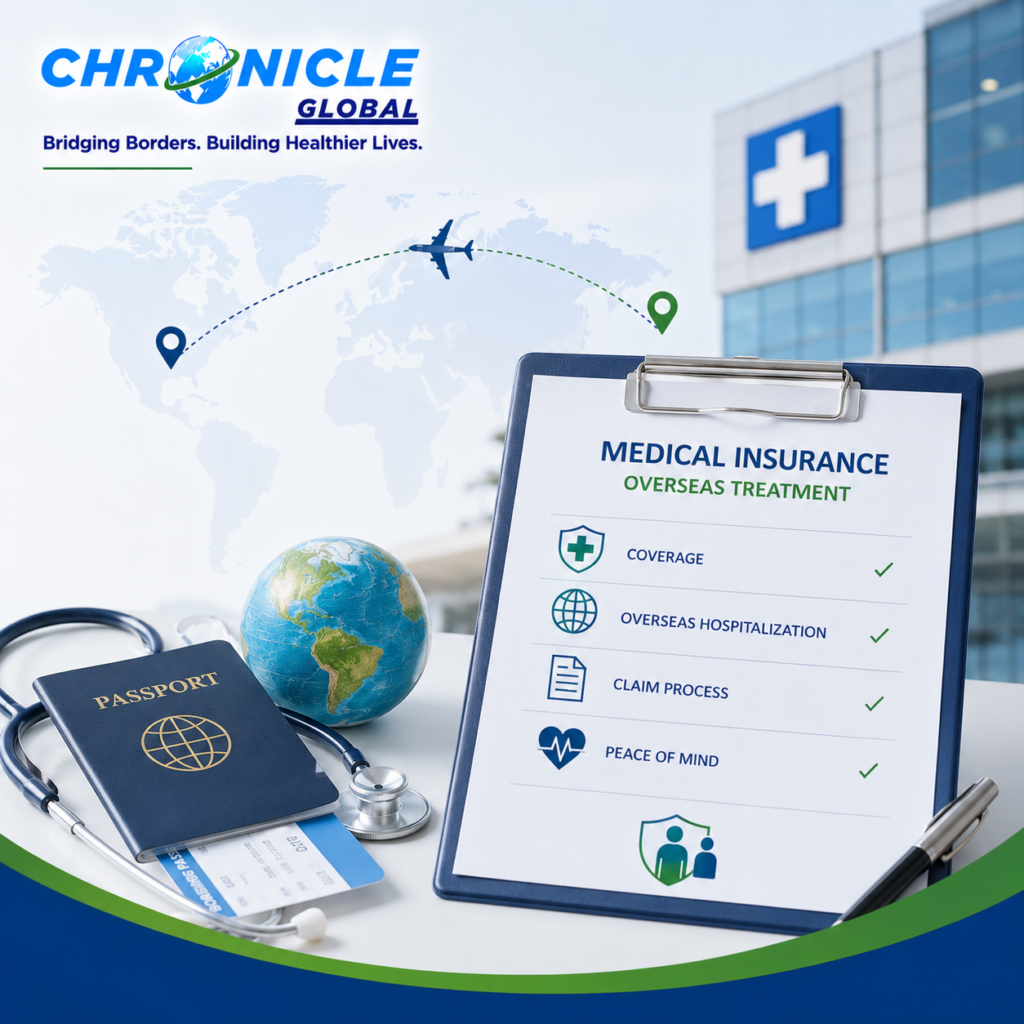
When navigating a complex medical diagnosis that requires specialized surgical care, exploring international treatment options can provide direct access to advanced technology and highly experienced specialists. However, once a family identifies a preferred international destination, the primary focus quickly shifts to financial planning: Can I use my existing health insurance policy to cover overseas medical treatment?
The relationship between international medical tourism and insurance coverage varies significantly depending on your specific provider, policy framework, and location. Understanding how international health insurance policies, corporate health maintenance organizations (HMOs), and cashless authorization workflows operate can help you maximize your benefits and lower your out-of-pocket costs.
1. Classifying Insurance Options for Medical Travel
Not all insurance policies handle cross-border healthcare the same way. Outbound patient pipelines typically interact with three main insurance structures:
┌────────────────────────────────────────────────────────┐ │ Cross-Border Health Insurance Models │ └───────────────────────────┬────────────────────────────┘ │ ┌─────────────────────────┼─────────────────────────┐ ▼ ▼ ▼ ┌──────────────────┐ ┌──────────────────┐ ┌──────────────────┐ │ International │ │ Private Corporate│ │ Government/State │ │ Premium PMIs │ │ Regional HMOs │ │ Sponsored Funds │ └──────────────────┘ └──────────────────┘ └──────────────────┘Premium International Private Medical Insurance (IPMI)
Policies issued by global providers (such as Bupa, Cigna, Allianz, or Aetna) are explicitly designed with global portability. These premium tiers typically allow policyholders to access accredited hospital networks worldwide, covering major tertiary treatments like oncology protocols, cardiac interventions, and joint reconstructions with minimal administrative delays.
Private Corporate and Regional HMO Networks
Common across active outbound markets in East and West Africa, private commercial health insurers and corporate employer benefit programs frequently include options for overseas referrals when local clinical capacity limits are reached. These networks require a formal review process, where a local medical board verifies that the required procedure cannot be executed within the country before approving international coverage.
National Public Health Insurance Funds
Certain state-managed universal health frameworks maintain official, highly regulated pathways for outbound tertiary care, particularly for specialized conditions like pediatric cardiac repairs or solid-organ transplants. Accessing these public funds requires navigating a formal government empanelment process and securing official approval from a state medical board.
2. Navigating the Pre-Authorization and Cashless Workflow
To ensure your international treatment is covered without unexpected financial delays, your administrative preparation must follow a systematic process:
[Secure Destination Fit-to-Treat Memo] ➔ [Submit Local Referral to HMO] ➔ [Obtain Letter of Guarantee]Step 1: Secure an Official Hospital Invitation
Your chosen JCI or NABH accredited destination hospital must issue a formal pre-travel medical report and itemized cost projection stating the exact clinical necessity of the planned treatment.
Step 2: Request a Letter of Guarantee (LoG)
Submit the destination hospital’s care plan alongside your local physician’s referral summary to your insurer’s international claims desk. If approved, the insurer issues a formal Letter of Guarantee (LoG) to the destination hospital, confirming coverage limits and authorizing a cashless billing workflow.
Step 3: Align Documentation for Direct Billing
Upon hospital check-in, the international patient management division matches your LoG with internal tracking lines, allowing the hospital to bill your insurer directly for all approved clinical costs, leaving you responsible only for non-medical expenses like extra meals or suite upgrades.
Financial Integrity via Chronicle Global
Managing insurance approvals, coordinating pre-authorizations, and aligning international direct-billing workflows can be challenging when focusing on a serious illness. Chronicle Global handles these complex administrative details through our structured 7-Step Medical Model.
Through our High-Touch Care Shield, we partner exclusively with elite, certified hospital conglomerates like Max, Medanta, Fortis, and Apollo, which maintain dedicated international insurance desks equipped to process global claims smoothly. We assist your family in compiling compliant clinical files, coordinate directly with your corporate HMO or insurer, and assign native interpreters fluent in Swahili, French, and Arabic directly to your bedside to manage communication clearly.
Most importantly, our Zero-Hidden-Cost Promise provides total financial clarity. We ensure that your itemized pre-travel quote covers your essential treatment requirements cleanly, protecting your family from unexpected out-of-pocket demands or fine-print upcharges upon discharge. Contact Chronicle Global today to secure a structured, insurance-ready medical travel plan.


Add a comment